


The following guide provides updated information on the ban on single-use plastic beverage containers (including cups and lids).
At a glance
These bans commenced on 1 September 2024:
- Ban on all single-use plastic cups for all hot and cold beverages and their attachments (single-use plastic lids and beverage plugs)
The following exemptions will apply for:
- Australian Standard (AS) certified compostable hot and cold beverage cups and their lids
There will be temporary exemptions until 28 February 2026 for:
- Beverage containers that have application pending decision for AS compostable certification and have not yet completed the process
- Hot and cold beverage cups and their lids certified to ATSM D6400 (US Standard), EN 13432, TUV OK compost INDUSTRIAL or TUV OK compost HOME
From 1 March 2026 the exemptions will only apply to AS certified compostable beverage containers that are clearly marked in a manner that indicates that they are home compostable, both home compostable and industrially compostable, or industrially compostable.
Containers of less than 60mL in volume and lids of less than 70mm diameter will not be required to be marked however manufacturers and/or suppliers must provide evidence of certification if requested by a business or the regulator.
Single-use plastic cups for hot beverages and their attachments (lids and beverage plugs)
What will be banned?
From 1 September 2024:
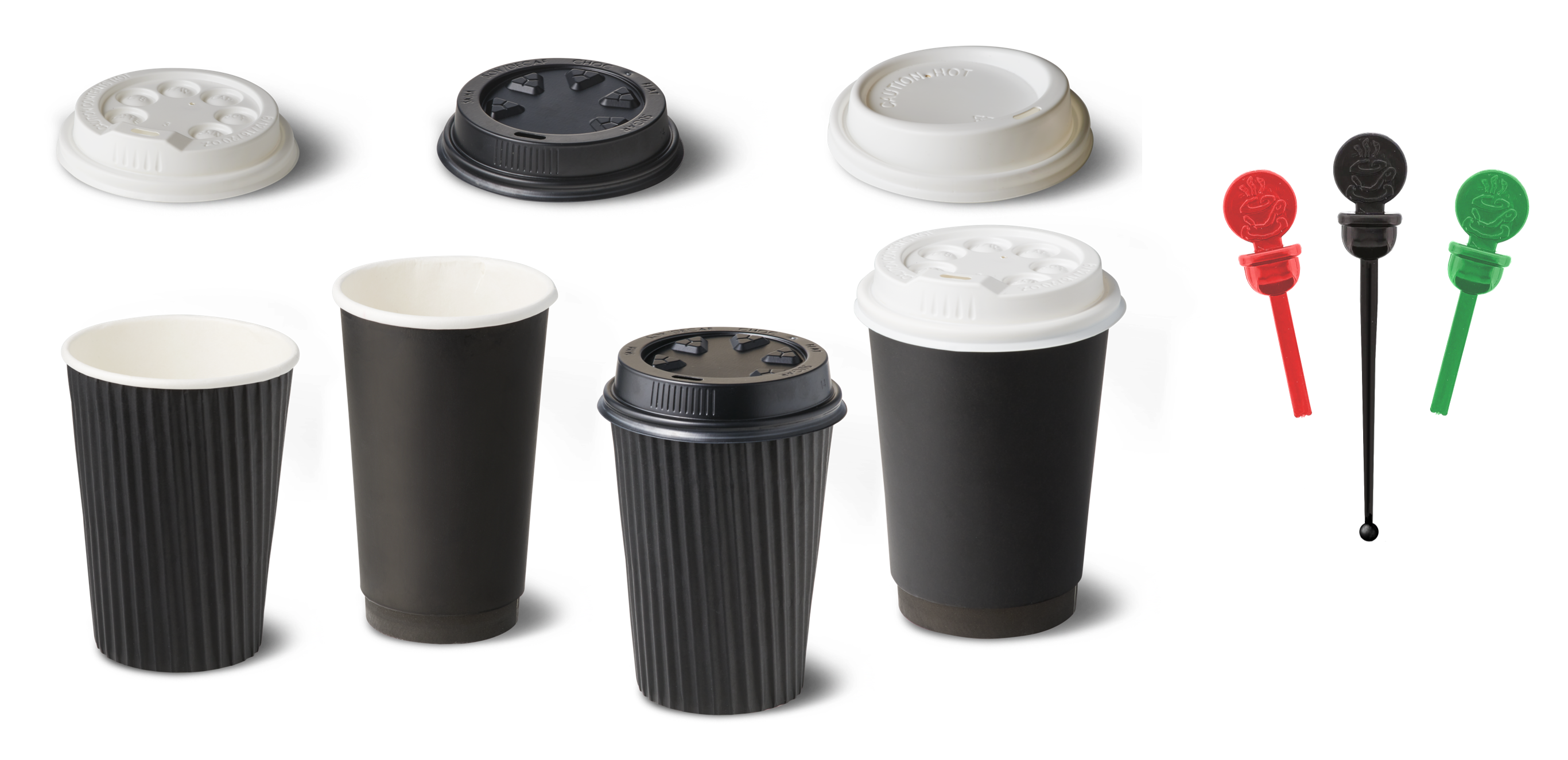
- Single-use hot beverage cups of any material (paper, cardboard, bamboo) lined with a waterproofing polymer (including products coated aqueously) where the product is not certified to AS industrial or home compostable (AS 4736:2006 or AS 5810:2010)
- Single-use plastic lids for hot beverage cups that are not certified AS industrial or home compostable (AS 4736:2006 or AS 5810:2010)
- Packs containing multiple single-use plastic hot beverage cups
- Packs containing multiple single-use plastic lids for hot beverage cups
- Single-use plastic beverage plugs or stoppers
There will be temporary exemptions until 28 February 2026 for:
- Hot beverage cups and their lids that have application pending decision for AS compostable certification and have not yet completed the process
- Hot beverage cups and their lids certified to ATSM D6400 (US Standard), EN 13432, TUV OK compost INDUSTRIAL or TUV OK compost HOME
From 1 March 2026 the exemptions will only apply to AS certified compostable food and beverage containers that are clearly marked in a manner that indicates that they are home compostable, both home compostable and industrially compostable, or industrially compostable.
Hot beverage cups of less than 60mL in volume and lids of less than 70mm diameter will not be required to be marked, but must be certified.
Any type of single-use plastic plugs or stoppers will not be permitted.
What won’t be banned?
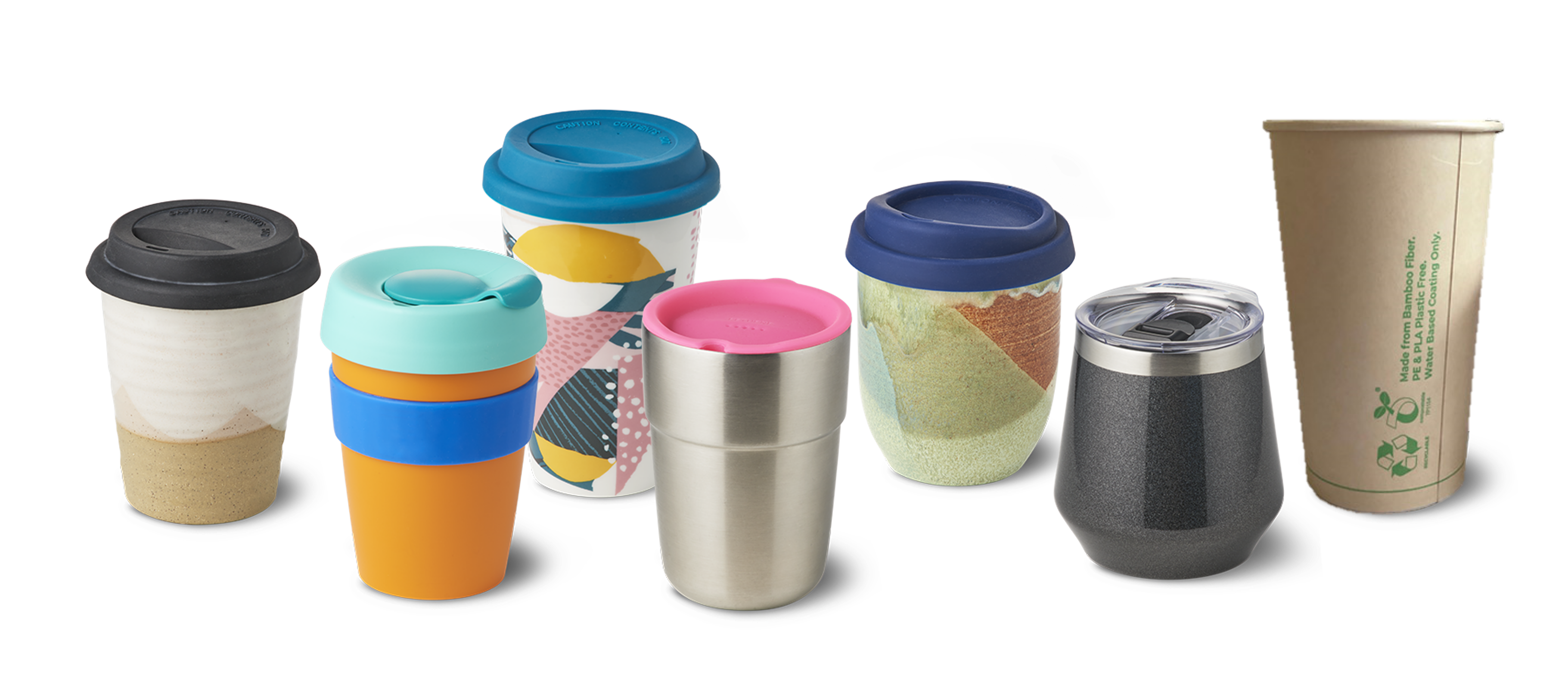
- Reusable cups for hot beverages (with or without lids) made from materials other than single-use plastic such as glass, ceramic, aluminium or stainless steel, melamine and bamboo
- Single-use hot beverage cups of any material (paper, cardboard, bamboo) including those lined with a water proofing polymer (including products coated aqueously) where the product is AS industrial or home compostable (AS 4736:2006 or AS 5810:2010)
- Single-use plastic lids for hot beverage cups that are AS industrial or home compostable (AS 4736:2006 or AS 5810:2010)
- Single-use lids for hot beverage cups that are made without any plastic lining
- Single-use beverage plugs or stoppers made from wood or cardboard
- Stickers or seals used to seal vents or holes to prevent leakage from a hot beverage.
For assistance identifying compliant alternative hot beverage cups and lids, Plastic Free Places have developed an online database. Note that the database is not an exhaustive list, and you are encouraged to conduct your own research and due diligence before any purchase.
Businesses are also encouraged to investigate options for transitioning to reusable hot beverage containers.
Bring your own container
In July 2022, the South Australia Civil Liability Act 1936 was changed to remove liability from food businesses such as cafés, restaurants and supermarkets when packaging and selling food and beverages to a customer in their own container or cup. This immunity extends to all employees selling the food or beverages.
This means there is better protection for businesses that choose to accept customers’ BYO containers. However, if a customer provides an unclean BYO reusable container, it is considered reasonable to refuse to fill the container.
It is important to note that businesses are still liable if the person selling the food was negligent and sold food that was knowingly unsafe to eat, or the food was subjected to a food recall at the time of sale.
For more information, visit the SA Health website.
Cold beverages
What will be banned?
From 1 September 2024
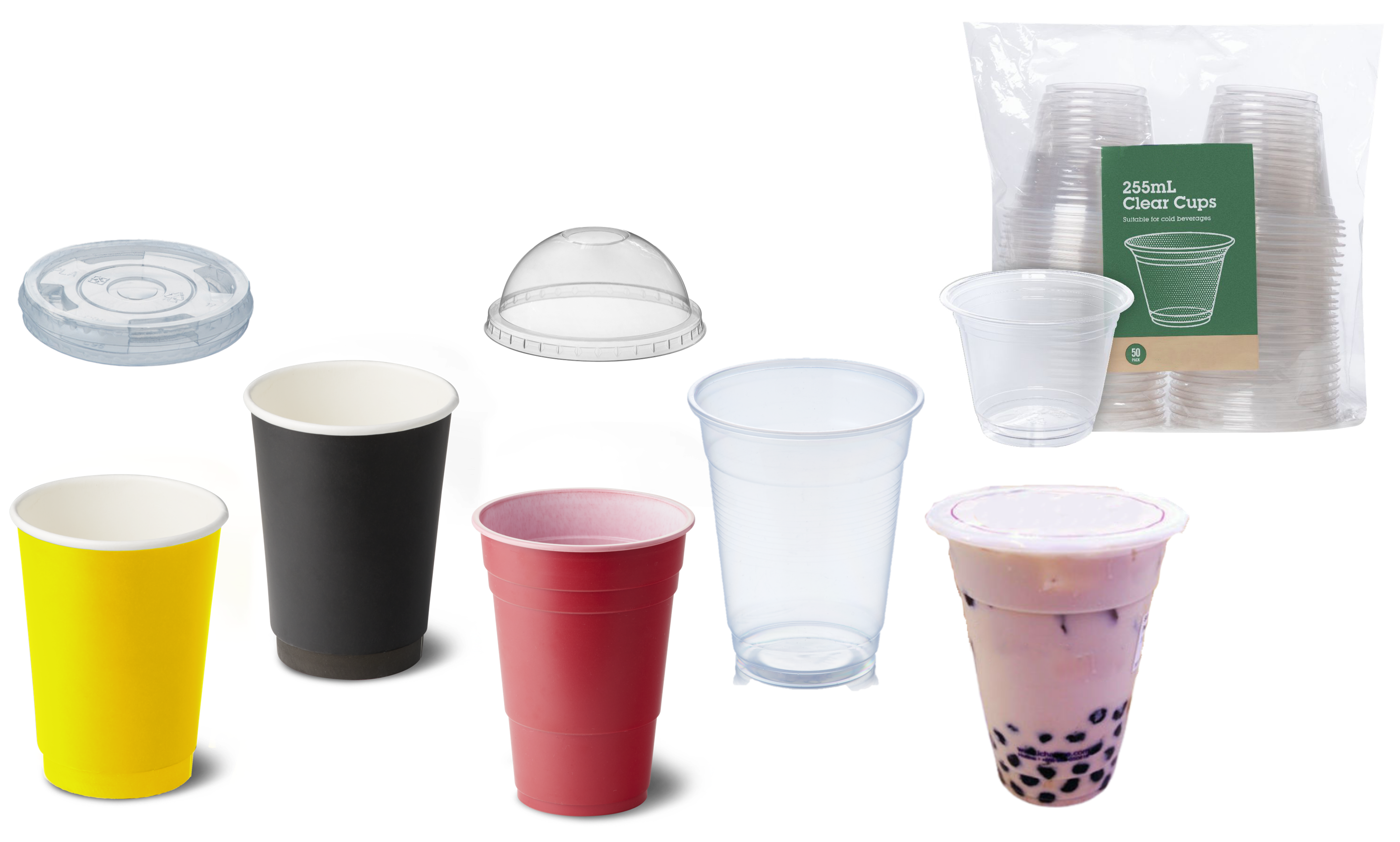
- Single-use clear and coloured plastic cups of any shape for cold beverages made from polyethylene terephthalate (PET), polypropylene (PP), polyethylene (PE) or other fossil fuel-derived plastic. This includes single-use plastic wine glasses (including when used for communion/sacramental wine and water), single-use plastic shot glasses and single-use plastic tumblers
- Single-use cold beverage cups of any material (paper, cardboard, bamboo) lined with a water proofing polymer (including products aqueously coated) where the product is not certified AS industrial or home compostable (AS 4736:2006 or AS 5810:2010)
- Single-use plastic lids and plastic films for cold beverage cups, such as plastic dome lids and plastic flat lids
- Single-use plastic beverage cups entirely sealed with film (e.g. bubble tea)
- Single-use plastic beverage plugs or stoppers
- Packs containing multiple single-use plastic cups
- Packs containing multiple single-use plastic lids
There will be temporary exemptions until 28 February 2026 for:
- Cold beverage cups and their lids that have application pending decision for AS compostable certification and have not yet completed the process
- Cold beverage cups and their lids certified to ATSM D6400 (US Standard), EN 13432, TUV OK compost INDUSTRIAL or TUV OK compost HOME
From 1 March 2026 the exemptions will only apply to AS certified compostable food and beverage containers that are clearly marked in a manner that indicates that they are home compostable, both home compostable and industrially compostable, or industrially compostable.
Cold beverage cups of less than 60mL in volume and lids of less than 70mm diameter will not be required to be marked however manufacturers and/or suppliers must provide evidence of certification if requested by business or the regulator (South Australian Environment Protection Authority).
Any type of single-use plastic plugs or stoppers will not be permitted.
What won’t be banned?
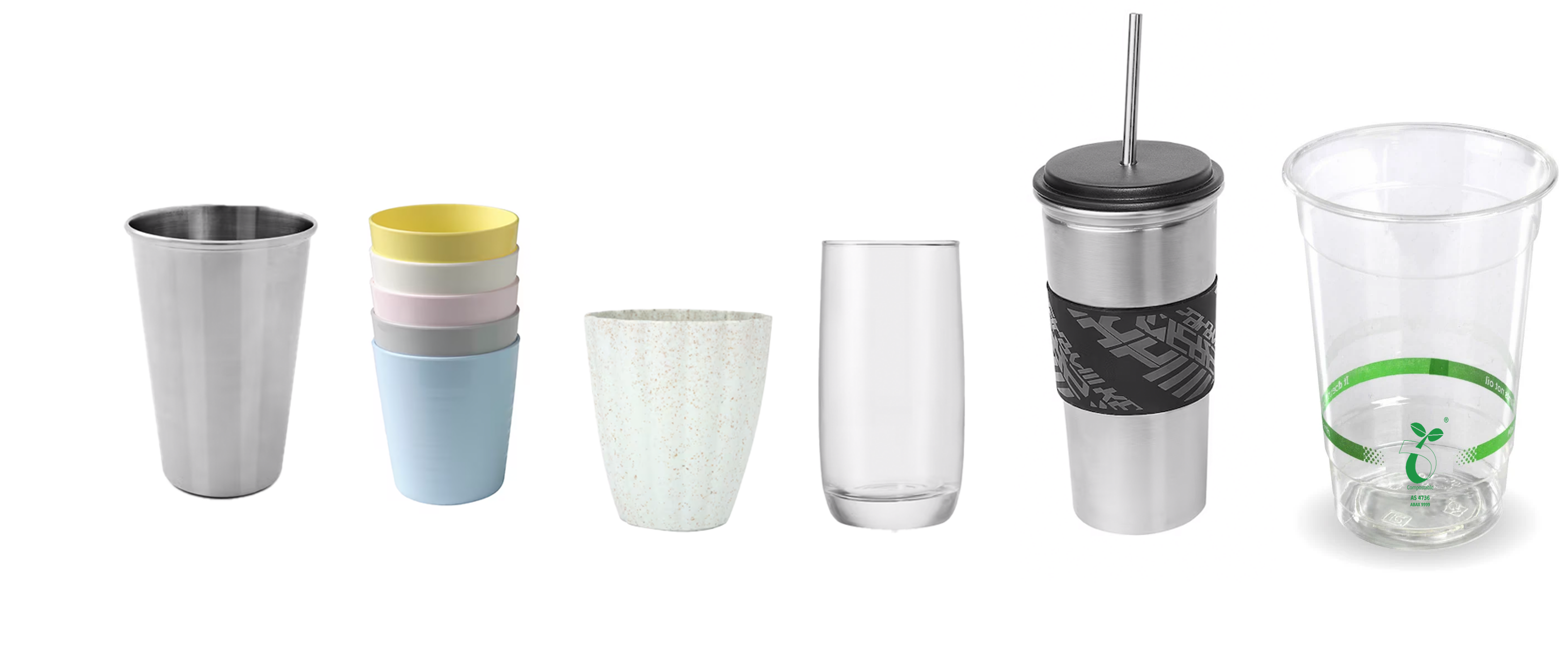
- Reusable cups for cold beverages made from materials other than single-use plastic such as glass, ceramic, aluminium or stainless steel and bamboo
- Reusable, durable, clear and coloured plastic cups for cold beverages, such as picnic sets, camping sets and reusable plastic cups with lids, e.g. melamine
- Single-use clear plastic cups and lids that are AS industrial or home compostable (AS 4736:2006 or AS 5810:2010)
- Single-use paper cups and lids for cold beverages including those lined with a polymer (including products aqueously coated) that are AS industrial or home compostable (AS 4736:2006 or AS 5810:2010)
- Single-use lids for cold beverage cups that are made without any plastic lining
- Single-use plastic cups that are sealed and contain both a food and a beverage (such as sealed cups that contain a communion wafer and communion wine)
- Single-use plastic cups used to dispense medication in either liquid or pill form
- Stickers or seals used to seal vents or holes to prevent leakage from a cold beverage
For assistance identifying compliant alternative cold beverage cups and lids, Plastic Free Places have developed an online database. Note that the database is not an exhaustive list, and you are encouraged to conduct your own research and due diligence before any purchase.
FAQs
-
What are AS certified compostable products?
Certified compostable products are made of materials that do not leave behind any toxic material, breaking down readily in a commercial, or sometimes home, composting system. This can include items that look like plastic, such as bowls, cups and bags. Labelling on these products must clearly state the item is certified compostable, preferably including the relevant AS certification logo, to assist consumers and businesses to purchase compliant products and to use appropriate disposal pathways. Australia has two of the highest standards in the world when it comes to certification:
 AS 4736:2006 Biodegradable plastics suitable for industrial/compostable composting and other microbial treatment
This certifies the product can be composted through a commercial composting facility. In the majority of South Australian council areas, in workplaces and schools with organics collections, and at public events, this means the material can go into the available green-lidded organics bins.
 AS 5810:2010 Biodegradable plastics suitable for home or commercial/industrial composting
 This certifies that the product can be composted in your home compost bin. It is also suitable to go into a green-lidded organics bin.
- What is the difference between Australia's industrial composting standard (AS 4736:2006) and Australia's home composting standard (AS 5810:2010)?
- Why is bioplastic certified AS industrially or home compostable being permitted for food and beverage containers?
- What are the labelling requirements?
- How do I check the certification details for compostable food and drink containers and their lids?
- What are the options for reusable cups and containers?
- Bring your own (BYO) containers legislation in South Australia
- What can I do with excess stock of non-compliant compostable containers from 1 March 2026?